Deep Dives
Microsoft’s Phi-3 Models: A Game Changer in AI Performance and Accessibility
Microsoft’s Phi-3 small and medium models, released under the MIT license, set new performance benchmarks, outperforming major competitors and enhancing AI accessibility.
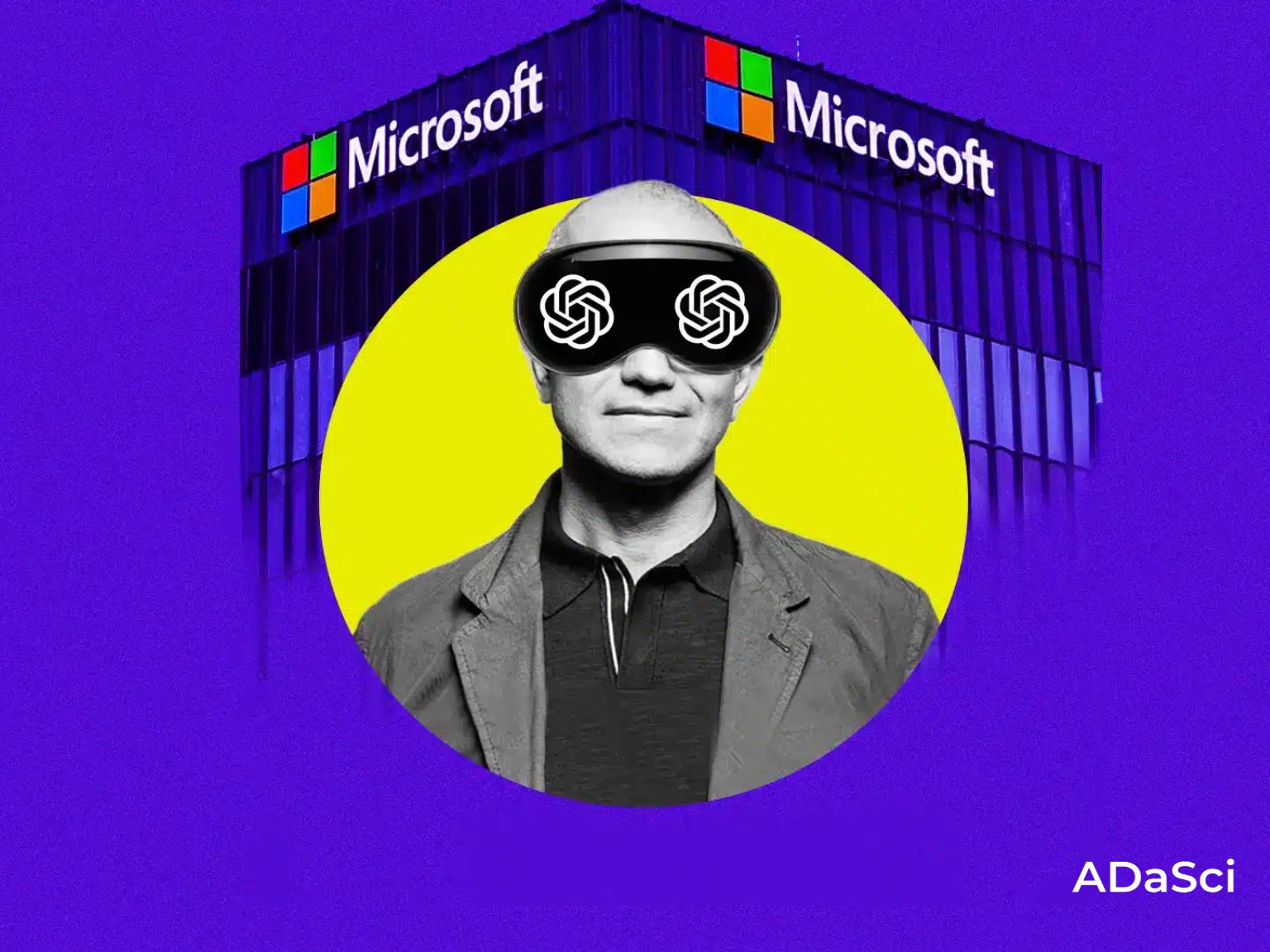
Microsoft has taken a significant leap in the AI landscape by releasing the Phi-3 small (7B) and medium (14B) models under the MIT license. These models promise to set new benchmarks in performance, challenging giants like Meta’s Llama 3 and OpenAI’s GPT-3.5. Let’s delve into what makes these models stand out and how they can be utilized effectively.
Key Highlights of Phi-3 Models
- Model Specifications:
- Phi-3 Small (7B): 75.5 on MMLU and 43.9 on AGI Eval, outperforming Mistral 7B and Llama 3 8B.
- Phi-3 Medium (14B): 78.0 on MMLU and 50.2 on AGI Eval, surpassing GPT-3.5-Turbo and Cohere Command R+.
- Training and Performance:
- Trained on 4.8 trillion tokens, including synthetic and filtered public datasets with multilingual support.
- Fine-tuned using Supervised Fine-Tuning (SFT) and Direct Preference Optimization (DPO).
- New tokenizer with a vocabulary size of 100,352.
- Availability:
- Available on platforms like HuggingFace, Azure AI, and ONNX, making them accessible to a broad range of developers and researchers.
The Power of Context: Up to 128k Tokens
Both Phi-3 models support context lengths of up to 128k tokens, which significantly enhances their capability to handle extensive and complex tasks. This makes them ideal for applications requiring long-term context understanding and large-scale data processing.
Practical Applications and Code Snippets
Here’s how you can quickly get started with the Phi-3 small model for text generation using the HuggingFace Transformers library:
This snippet demonstrates the ease of integrating the Phi-3 model into your applications, allowing for efficient and effective AI-driven solutions.
Considerations and Best Practices
While these models open up numerous possibilities, it’s essential to implement responsible AI practices:
- Quality of Service: Primarily trained on English text; performance may vary for other languages.
- Representation and Bias: Be aware of potential biases in the data and model outputs.
- Inappropriate Content: Implement safety measures to filter and mitigate harmful content.
- Legal Compliance: Ensure usage complies with relevant laws and regulations.
Conclusion
Microsoft’s Phi-3 small and medium models, with their advanced capabilities and accessibility, are poised to revolutionize the landscape of AI applications. Whether you are developing AI-driven chatbots, engaging in complex data analysis, or creating interactive applications, these models provide a robust foundation for innovation and development. With their release under the MIT license, the barrier to entry is significantly lowered, allowing a broader community to harness their potential.
Explore these models and integrate them into your projects to experience the cutting-edge advancements in AI technology.
Links to the models: